Standing in front of a shelf of coffee bags can feel a little overwhelming. Origins, roast levels, tasting notes. The good news is that a few simple ideas go a long way.
Arabica and robusta
Most specialty coffee is arabica, known for its sweetness, acidity and wide range of flavors. Robusta is hardier, with more caffeine and a stronger, more bitter taste, and is often used in blends for body and crema.
Where it grows
Like grapes for wine, coffee picks up character from where it is grown. Altitude, soil and climate all shape the flavor, which is why beans from different regions can taste fruity, floral, nutty or chocolatey.
Think of tasting notes as a hint, not a recipe. Your cup will tell you the rest.
Roast level
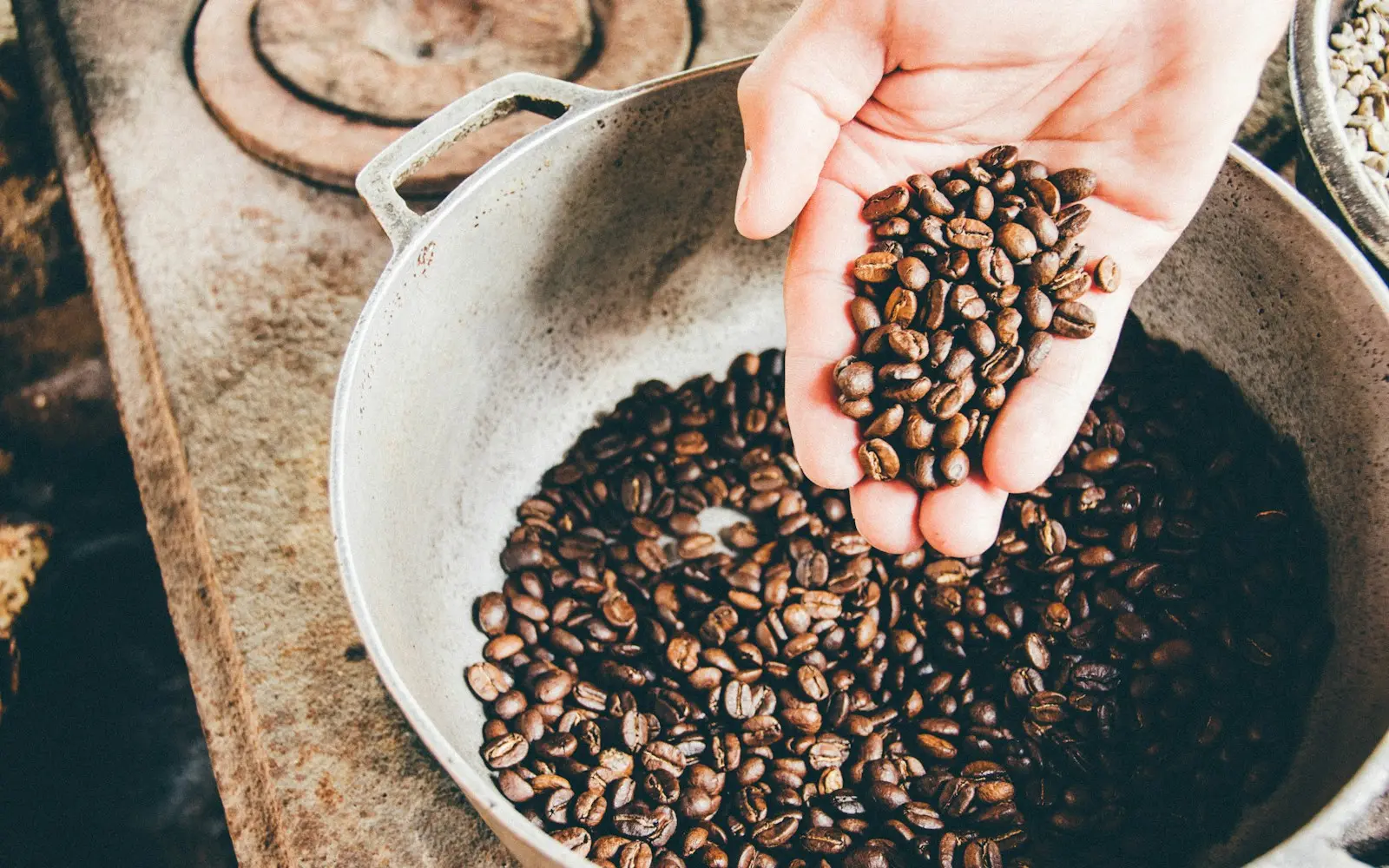
Lighter roasts keep more of the bean’s original character and tend to taste brighter. Darker roasts bring out deeper, toasty and bittersweet flavors. Medium roasts sit happily in between, and are a great place to start.
Keep it fresh
Coffee tastes best within a few weeks of roasting. Buy whole beans when you can, grind just before brewing, and store them in an airtight container away from heat and light.